Introduction
In 2025, the position of plasterer remains essential to shape and dress walls and ceilings. A specialist in coatings and finishes, he brings aesthetics and comfort to interiors. A manual and artistic profession, which requires precision and know-how.
But before handling the trowel and the trowel, you must follow appropriate training: CAP, Bac Pro or professional title in plastering. This sheet details the missions, training, salaries and opportunities to become a plasterer.
Why train as a plasterer?
A key finishing profession
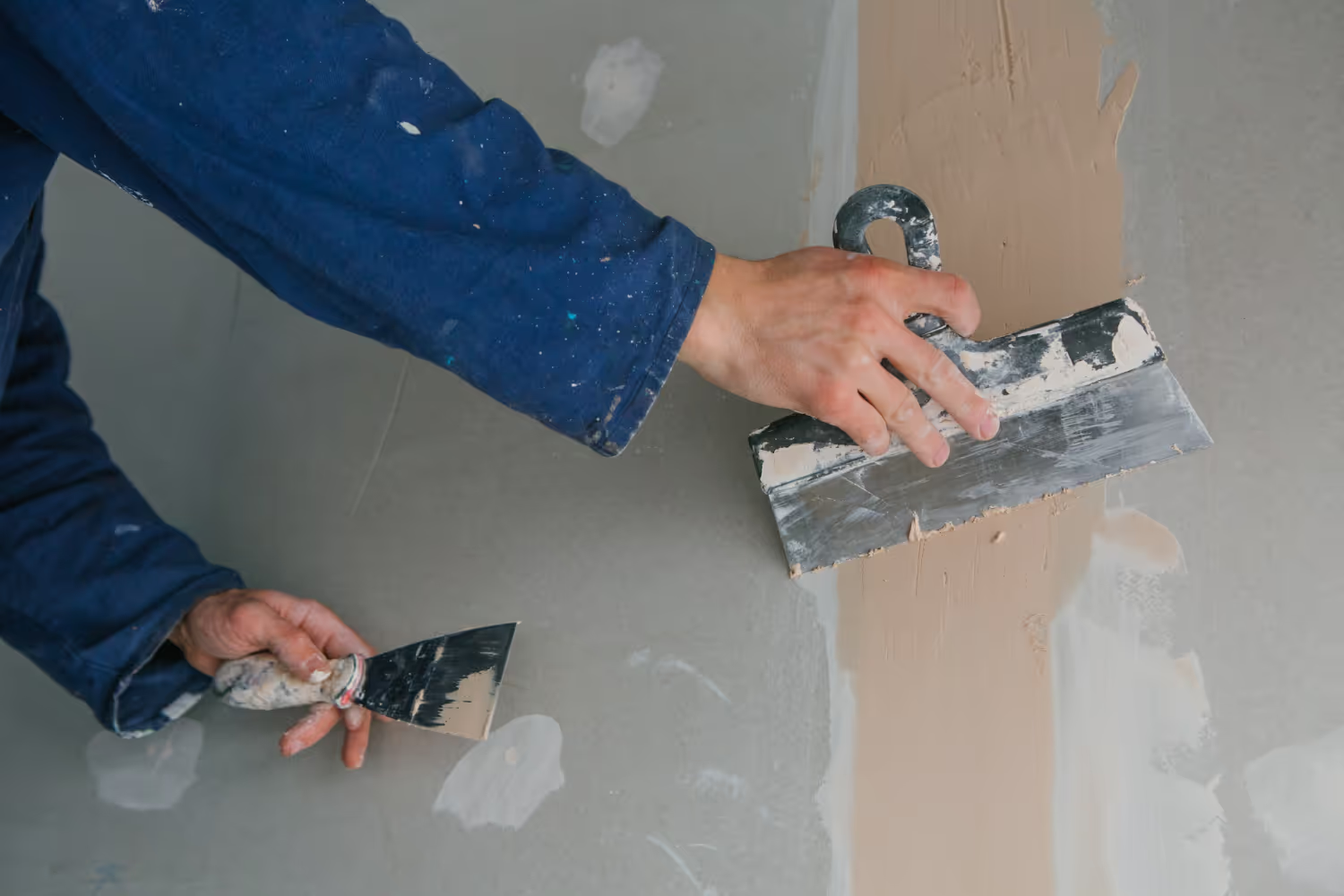
The plasterer covers walls and ceilings by making plasters, mouldings or partitions. It contributes to the aesthetics and thermal and acoustic comfort of buildings.
The sector's figures confirm its importance:
✔ Profession in constant demand, especially in finishing and renovation.
✔ Many offers available after a CAP or Bac Pro.
A manual and creative profession
Applying coatings, smoothing, installing decorative plaster: the plasterer must have a good hand, a sense of detail and a certain amount of creativity.
Trainings to become a plasterer: everyone has their own path
How does a plasterer training course take place?
Skills taught in training
By following a training course as a plasterer, you will acquire:
🧱 Plastering techniques & finishes
- Implementation of traditional plaster (manual and at the projecting machine), straightening, trowelling and smoothing.
- Realization ofPlaster plasters, decorative coatings, coatings and fillings.
- Pose of partitions/dubbing and plasterboard ceilings (pillars, rails, hangers).
- Treatment of singular points: technical ducts, hatches, peripheral joints, fire/acoustic facings.
- Introduction to Staff/stucco (moldings, cornices) according to the centers.
📐 Reading plans, standards & performance
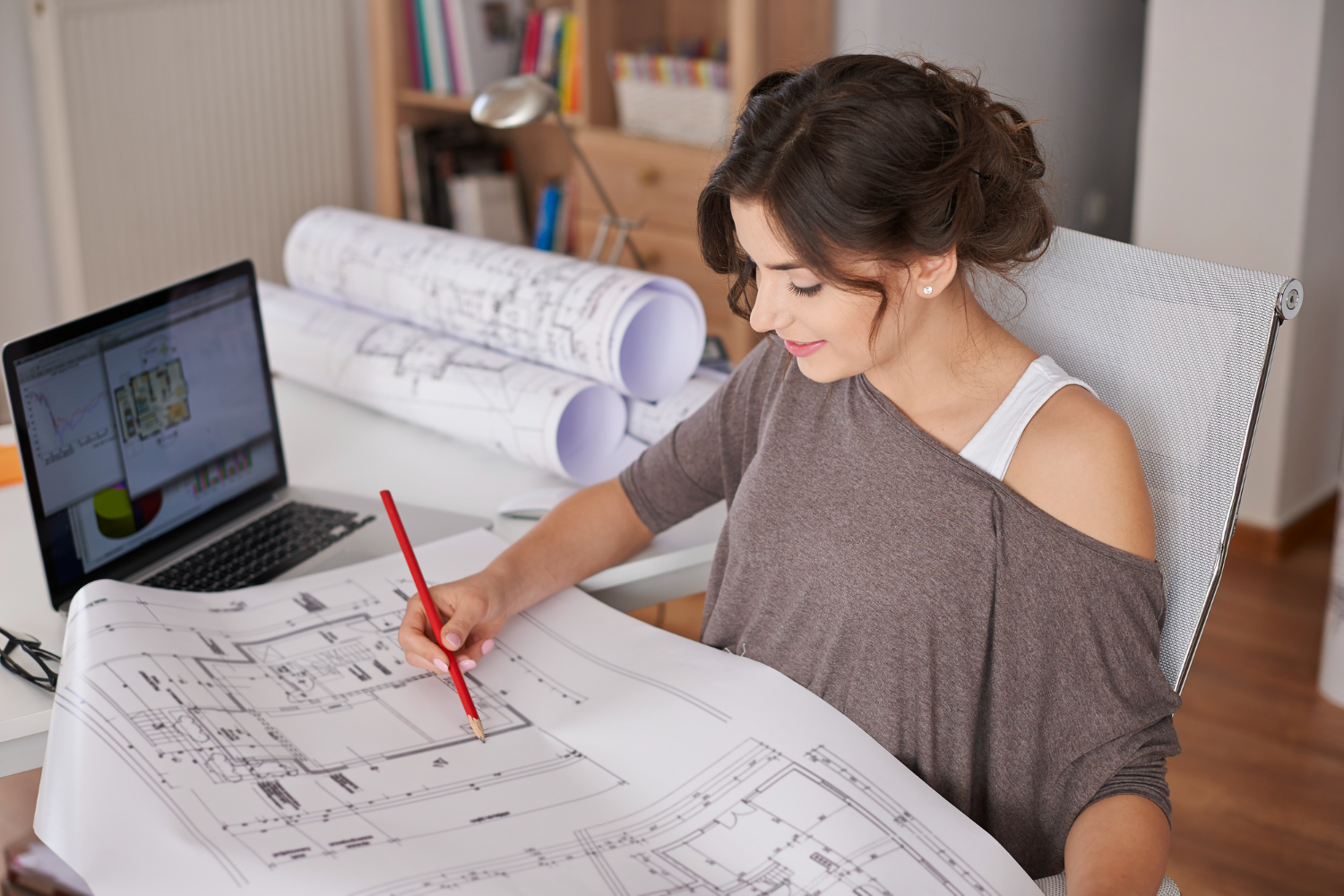
- Reading plans, plotting, layout and trim levels Q1 to Q4.
- Repositories and DTU 25.41/25.42, requirements fire resistance (EI) and acoustics.
- Choice of systems (water-repellent, high hardness, acoustic, technical) and material compatibility.
- Quality self-control: flatness, squareness, surface finish before painting or coating.
🛠️ Professional situation
- Practical workshops: partitions, ceilings, hoppers, straight joins/abouts/angles.
- Use of manual and electric tools (plate lifter, vacuum sander, ruler, trowel).
- School sites, alternation and interventions in housing/tertiary/ERP.
- Station organization, protections and cleanliness at the end of the construction site.
Access conditions
- CAP Plasterer-Plasterer : accessible after 3rd.
- Bac Pro Building Development and Finishing (AFB) : to increase responsibility (preparation, supervision of a small team).
- Pro/CQP Plâtrier-Plaquiste titles : adapted to retraining (6 to 12 months).
- VAE : possible from 1 year of experience in plastering/veneering.
The steps to integrate a training
- Parcoursup : for CAP/Bac Pro in professional and CFA high schools.
- Direct application : AFPA, GRETA, private centers (Pro/CQP titles, staff/coated modules).
- Adult retraining : mobilize CPF, OPCO, France Travail; POEC devices possible.
- For the alternation : plastering/finishing companies, groups of artisans, TCE majors.
Opportunities and possible evolutions for a plasterer
From beginner plasterer to expert finisher
✅ Confirmed plasterer: You create complex plasters, moldings and false ceilings.
✅ Plaster team leader: You supervise several companions and organize the workstations.
Supervision and construction site
Construction site manager: You coordinate plastering, painting and decorative finishes.
Finishing work manager: management of several projects, budgets and deadlines.
Specializations
Traditional plaster: restoration of monuments and heritage mouldings.
Designer and acoustic ceilings: modern technical and decorative solutions.
Footbridges
Plastering trainer: Pass on your knowledge in CFA.
Staff/stucco decorator: artistic and ornamental specialization.
Conclusion
Becoming a plasterer means giving shape and style to interiors with plasters, partitions and ceilings. A manual profession, in demand, which combines technique and aesthetics. Do you want to evolve? Asap.work can support you on your journey. 🏠🎨
✨ Take action and shape the interiors of tomorrow.
What is the salary for a plasterer?
The salary of a plasterer starts around €1,850 gross/month, and can reach €2,700 gross/month with experience or specialization (staff, heritage restoration).
Can you become a plasterer without a BTS or higher diploma?
Yes, you can become a plasterer without a degree by learning in the field. But a PLASTER-PLATEER CAP is a real asset to evolve.
What are the essential qualities to become a plasterer?
The plasterer must be meticulous, have good aesthetic sense and excellent manual dexterity to achieve flawless finishes.
Does the plasterer work more in the workshop or on the construction site?
Mostly on construction site, indoors. The conditions are less exposed to the weather, but the work is still physical with dust.