Introduction
In 2026, the designer IRVE contributed to the design of the plans, diagrams and networks necessary for the deployment of electric charging stations. It transforms technical needs into precise and usable plans, a key role in the success of projects.
To become an IRVE designer, you must master CAD/CAD software, electrical standards and IRVE basics. CAP, Bac Pro, BTS electrical engineering, CAD training or internal development: several courses are possible. This sheet presents missions, training, salaries and prospects for becoming an IRVE designer.
Why train as an IRVE designer?
A key profession in the design of charging installations
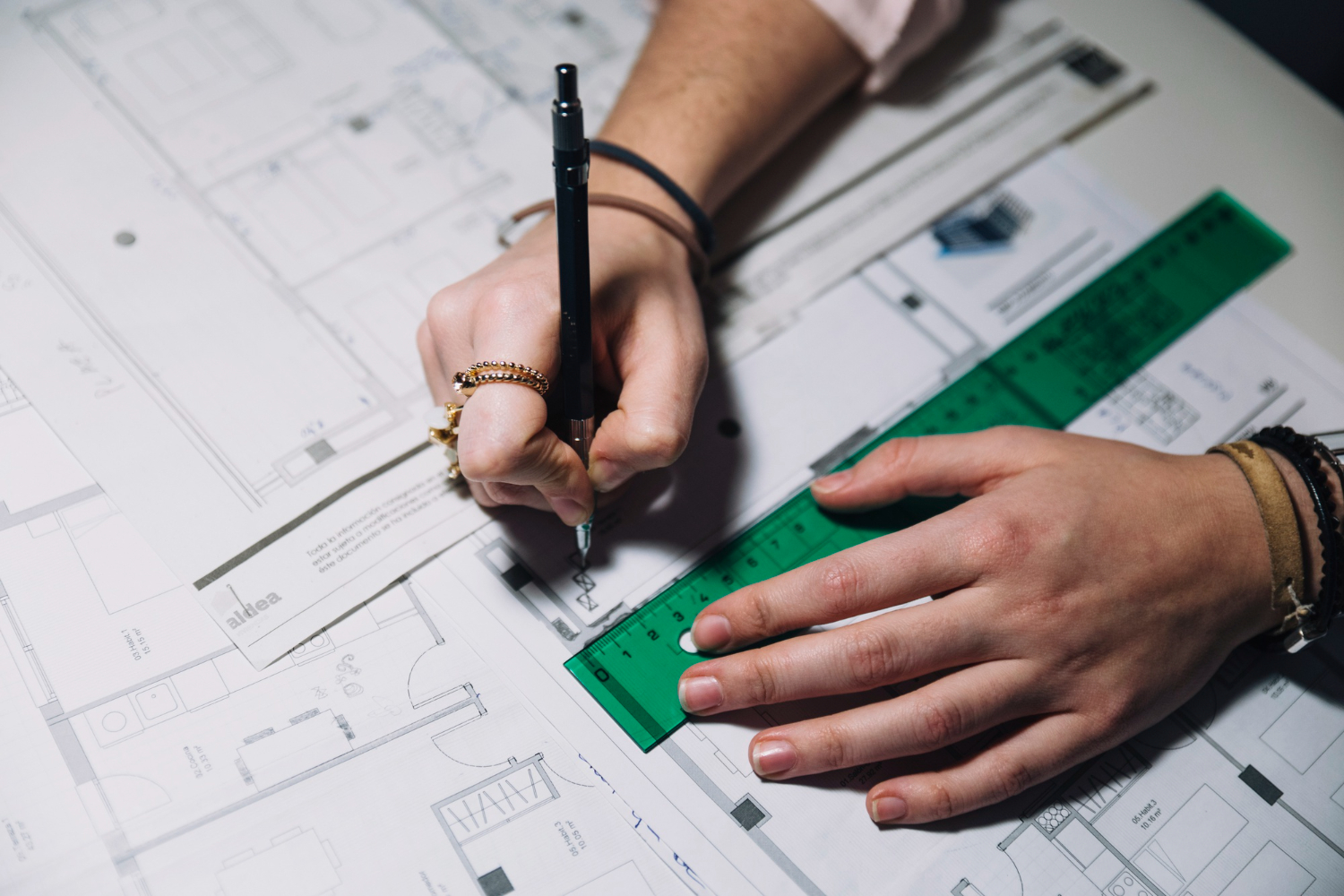
The designer IRVE produces the technical plans necessary for the installation of charging stations for electric vehicles. He designs the diagrams, models the installations, prepares the technical files and ensures compliance with the standards in force. A central role in transforming an IRVE project into an operational installation.
The sector's figures confirm its importance:
✔ The rise of electric mobility is creating a strong demand for profiles capable of producing precise and usable plans.
✔ IRVE design offices and companies are struggling to recruit designers who master electrical standards and CAD software.
A job of precision and technical coordination
The IRVE designer must master electrical constraints, layout rules, reading plans and modeling tools (AutoCAD, See Electrical, BIM viewer). He works closely with engineers, project managers and construction teams to prepare reliable and compliant files.
Training courses to become an IRVE designer: possible paths
How does an IRVE designer training course take place?
Skills taught in training
By training yourself as an IRVE designer, you learn to design the technical plans necessary for the installation of charging stations. You become the graphic and technical link between engineers, business managers and field teams.
📐 Mastery of CAD/CAD tools
- Advanced use of software: AutoCAD, QGIS, QGIS, Caneco BT, or dedicated IRVE software.
- Realization of site plans, sections, electrical diagrams and execution plans.
- Formatting of technical files and plans in accordance with IRVE standards.
- Layer management, graphic conventions, and technical drawing standards.
⚡ IRVE technical skills
- Understanding of low and medium voltage electrical networks.
- Cable sizing, protections, trenches, cable ducts and cable trays.
- Reading and interpreting single-line diagrams and cable books.
- Knowledge of IRVE regulatory obligations (AFNOR, UTE, NFC 15-100, RGIE...).
🛠️ Professional situation
- Real case studies: parking, industrial sites, corporate fleets, ERP.
- Analysis of site constraints: available power, roads, civil engineering.
- Production of the plans required for the site (EXE, APS, DOE).
- Direct collaboration with business managers, electrical engineers and IRVE project managers.
Access conditions
- Bac Pro or BTS technique : Electrical engineering, SN, Geomatics, Building.
- Pro electricity or ENR license to aim for more advanced positions.
- Possible reconversion for electrical technicians wishing to turn to drawing.
- VAE to validate an experience in drawing or IRVE.
The steps to integrate a training
- CFA/technical high schools: for the Bac Pro and BTS courses.
- CAD/CAD specialized schools: AutoCAD, BIM, electrical software.
- IRVE certification courses (Qualifelec, AFNOR type) in addition.
- Reconversion: financing via CPF, France Travail or OPCO.
💡 Coup d’œil Asap.work
Pour devenir dessinateur IRVE rapidement, la combinaison gagnante est : BTS Électrotechnique + formation AutoCAD + module IRVE.
Déjà technicien sur le terrain ? Une formation DAO te permet d’évoluer vers un poste plus technique et moins physique.
The opportunities and possible evolutions for an IRVE designer?
From a beginner designer to a technical referent
✅ Confirmed drawing technician: after a few years, you take on more complex projects, master specialized software and become autonomous in the production of EXE and DOE plans.
✅ DAO/IRVE referent: You become the technical support point of the design office, ensure the quality control of plans and support project managers in studies.
Evolution towards engineering and project management
IRVE researcher: You go from graphic production to electrical dimensioning, power analysis and the writing of technical files.
IRVE Project Manager: you coordinate an entire operation: study, implementation, monitoring of the work and customer relationship.
Creation or independent activity
Independent design office: you offer CAD/CAD services, IRVE plans, field surveys and technical files for installers and operators.
IRVE consultant: you support companies, local authorities or developers on studies, master plans and multi-site implementations.
Bridges to other professions
Electrical designer/CFO-CFA: you broaden your scope to tertiary, industrial or network projects.
IRVE field technician: If you want more operational skills, you can move on to installation and commissioning missions.
BIM modeler: with an increase in skills on Revit or electrical BIM, you can evolve towards large-scale BIM projects.
Conclusion
Becoming an IRVE designer means transforming field data into precise plans for reliable and secure charging infrastructures. You play a key role upstream of construction sites and contribute to the quality of installations. A technical and strategic job. Asap.work helps you find the right IRVE projects. 📐⚡
✨ Gives shape to electric charging networks.
What is the salary of an IRVE cartoonist?
An IRVE designer earns an average of €2,200 to €3,200 gross/month, depending on his mastery of CAD/CAD software and his field experience.
Can you become an IRVE designer without a BTS or higher diploma?
No, a BTS or professional DAO/electricity title is almost essential to master IRVE plans, diagrams and standards.
What is the role of an IRVE designer on a construction site?
The IRVE designer produces the plans, electrical diagrams and technical files necessary for the installation of the terminals, in collaboration with the field teams.
What are the working conditions of an IRVE cartoonist?
He works mainly in a design office, with regular schedules, and collaborates closely with field teams and construction managers.